
BY: Mohammad Niaz
Pakistan’s wetlands are important for Water Fowls and other migratory birds in the region and Pakistan also has international obligations to conserve these wetlands.
Harboring significant biodiversity and receiving seasonal migratory birds and animals across the country, Pakistan has an ecological importance. A large and diverse group of birds including waterfowls depend on water throughout their life cycle. They prefer water bodies and marshy areas where they get food and shelter to propagate. With onset of winter they begin to migrate to the south in response to biological requirements such as to exploit seasonally available resources like food and to avoid unfavorable conditions of the cold weather.
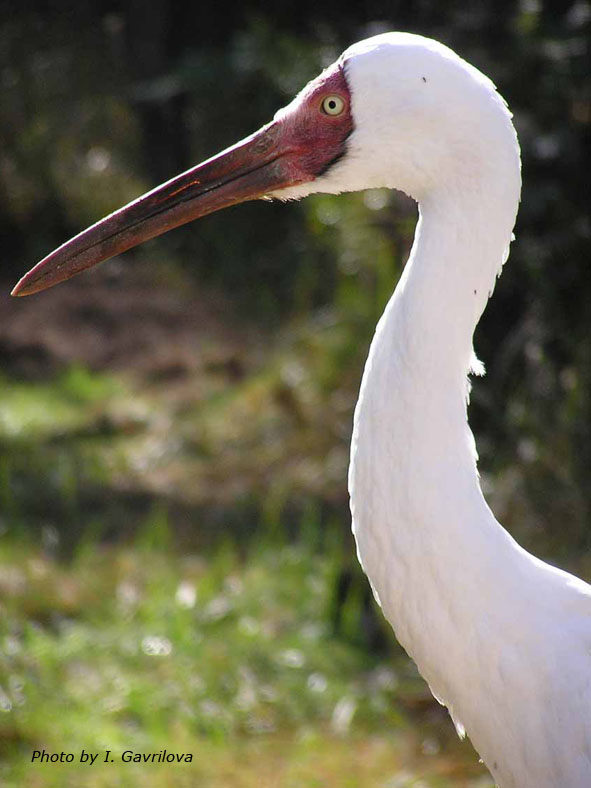
Before the birds begin to migrate they store fat for their long journey. Waterfowls migrate in flocks flying at 30 to 50 miles per hour and use visual landmarks such as mountains, rivers and coasts to orientate their migration. They fly the same route that they used in the past. However, they tend to change their migratory routes on account of biotic pressure in terms of hunting and pressure on their habitats. Irrespective of a country’s conservation policy, every country is responsible to protect migratory species when they enter its jurisdiction. Migrants, especially those that are endangered can be effectively conserved if all the states included in the migratory route, cooperate and work together on research activities.
Generally waterfowls begin to migrate to Pakistan from the Siberian region through Afghanistan. From here they move on to India for food and wintering (non-breeding) grounds in the month from September to April each year. The route they take is known as Indus flyway No. 4 or the Green route. These birds fly from Siberia to Afghanistan to Pakistan via Karakoram, across river Indus and finally towards Baharatpur in India. They take about 15 to 20 days covering about 4500 km and fly at a height of about 2000 meters over Rivers Kabul and Indus.
The birds remain on their non- breeding grounds until April. Then in spring, from February till the end of March or early April they migrate back to the North, where the conditions have become favorable for the birds to breed. During this journey they make stopovers at lakes and water bodies of Pakistan such as Nowshera, Tanda Dam in Kohat, Swat, Chitral, Punjab and at Halajee, Kheenjar and Lungsee in Sind. These migrating birds do not breed in the regions where they migrate to but in places from where they have migrated because the conditions are not suitable or because those niches are occupied by species better adapted to a more temperate environment.
Before 1970 there was no rule for protection of migratory birds, however after Ramsar Convention in Iran and Bonn Convention in Germany, laws to protect migratory birds were enacted. The Convention on Wetlands, signed in Ramsar, Iran in 1971 is an inter-governmental treaty that focuses on the conservation and appropriate use of wetlands and their resources such as fauna and flora, including migratory species, especially waterfowl as a means to achieving sustainable development throughout the world. CMS or the Convention on Migratory Species, adopted in 1979 in Bonn – hence also called the Bonn Convention, is a global intergovernmental treaty, which is exclusively concerned with the conservation of migratory species and their habitats. The Convention aims to conserve terrestrial, marine and avian migratory species (including waterfowl and other wetland species), and promote measures for their conservation including habitat conservation throughout their route.
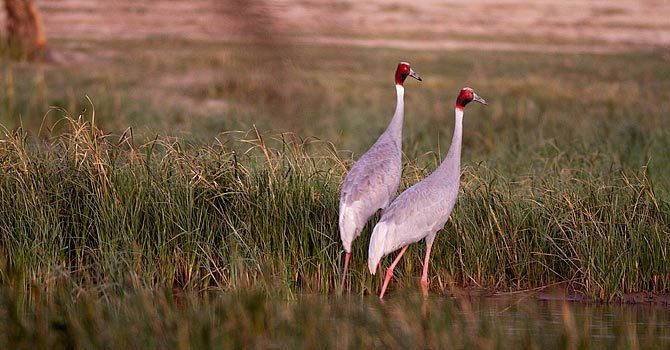
Waterfowl, cranes, houbara bustard and falcons migrate to Pakistan. In order to protect aquatic resources wetlands have been declared in Pakistan beside establishment of protected areas as part of conservation measures. However, migratory birds face a multitude of threats during migration mainly due to man-made disturbances. Habitat degradation is in process resulting from alteration of staging and wintering areas by humans. Migratory birds may also fall victim to adverse natural phenomena, such as unfavorable climatic conditions, lack of food or water, or predators. Moreover, thousands of guest migrants are trapped and shot every year. Resources of wetlands are heavily exploited due to drainage, conversion and tourism. In order to secure their flight right, there is an urgent need that mass awareness for sustainability of these resources be created and the multilateral environmental agreements to which Pakistan is signatory be implemented. This will ensure conservation of migratory species and fulfill Pakistan’s international obligation.